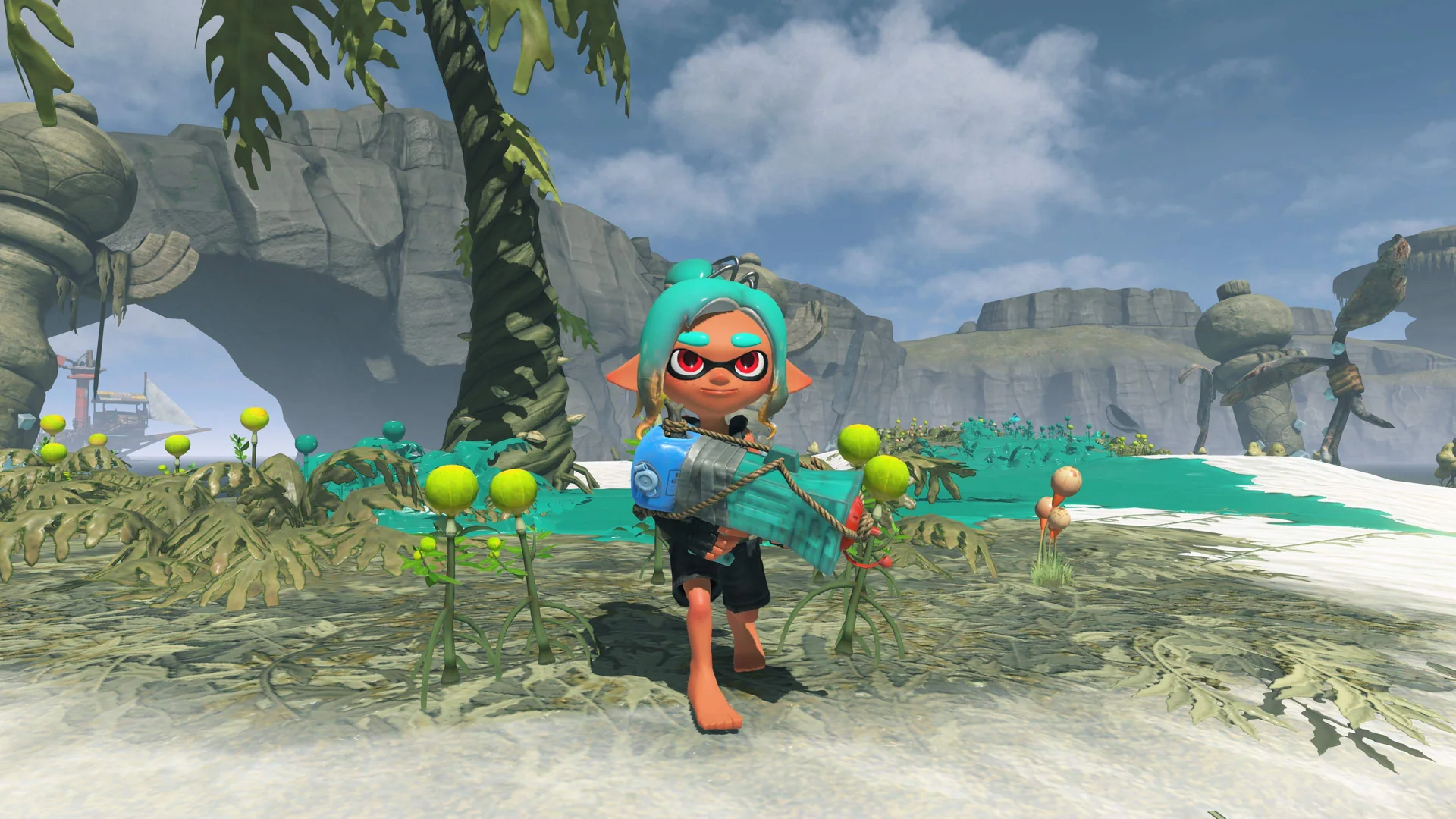
The four central characters in the official Splatoon Raiders prequel comic are Shiver, Frye, Big Man, and the player-defined Mechanic. The series, titled Deep Cut's Island Misadventures, follows them through the 30 days between their crash on the Spirhalite Islands and the start of the game's main adventure.
This is a character and story guide, not an access tutorial. If you are still looking for the official series or its correct order, start with our guide to reading the Splatoon Raiders comic. The spoiler-free cast and timeline come first below; event details begin only after the warning.
Splatoon Raiders comic cast at a glance
You do not need an encyclopedic knowledge of Splatoon 3 to recognize the group. Deep Cut is the established trio of Shiver, Frye, and Big Man. The fourth traveler is the Mechanic, the customizable protagonist who works with them in Raiders.
| Character | Spoiler-free identity | Visible comic role | Game handoff |
|---|---|---|---|
| Shiver | Member of Deep Cut | Cool-headed organizer and competitive voice | One of the Deep Cut partners who can accompany the Mechanic |
| Frye | Member of Deep Cut | High-energy motivator and emotional spark | One of the available Deep Cut partners |
| Big Man | Member of Deep Cut | Supportive observer with an eye for the island | One of the available Deep Cut partners |
| The Mechanic | Deep Cut's customizable crew member | Builder, repairer, and practical problem-solver | The player's active raider |
The Mechanic is a role rather than a revealed civil name. That choice lets the comic show a recognizable crew member without replacing the character a player customizes in the game. The safest language is therefore “the Mechanic” and singular “they,” not an invented name, fixed gender, age, or romantic history.
Where the comic fits in the story
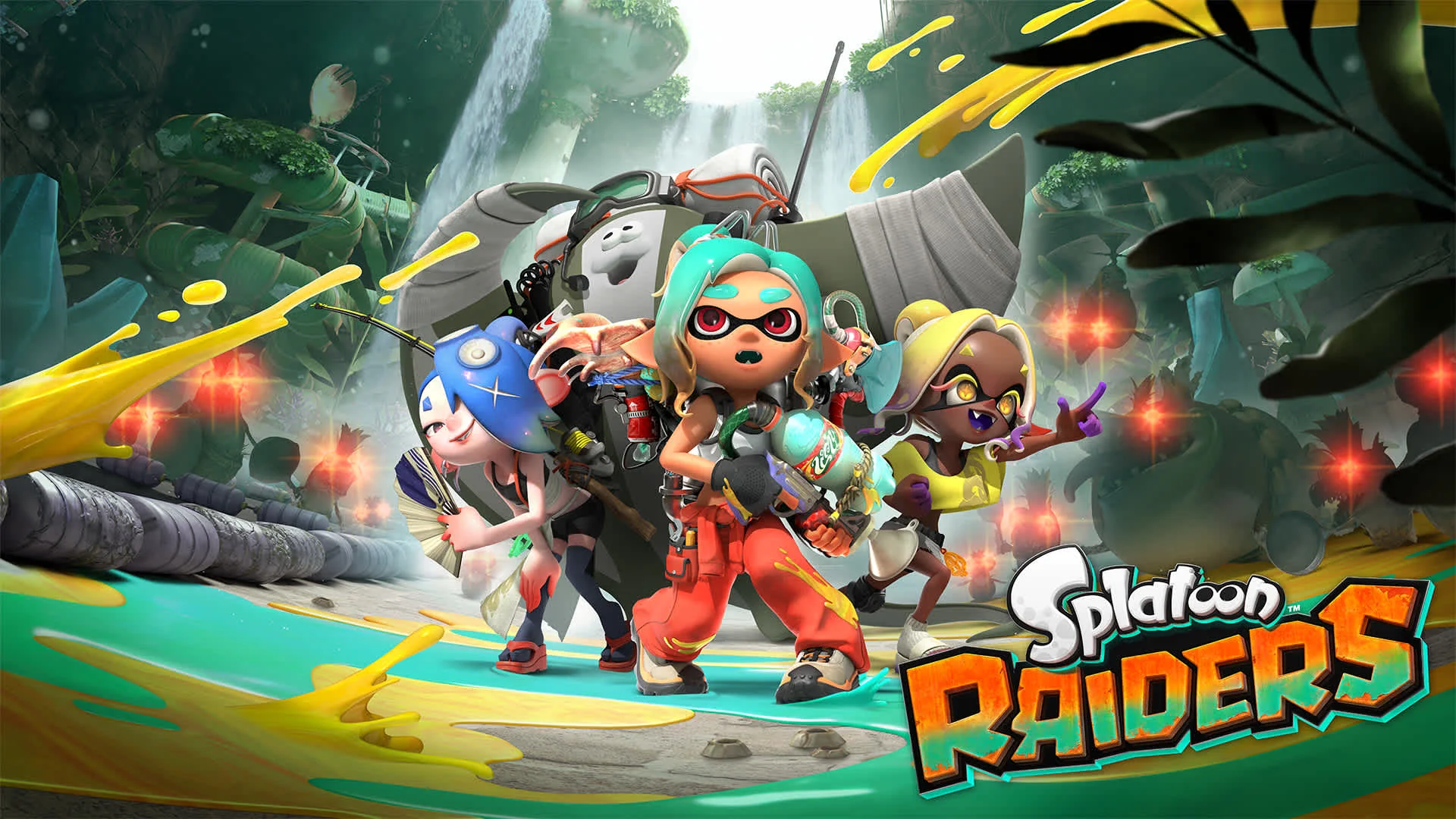
Deep Cut's Island Misadventures is a bridge, not an alternate version of Raiders. Nintendo calls it the story leading up to the game. Its countdown begins at DAY -30 after the group crash-lands and ends at DAY -1, immediately before the playable adventure takes over.
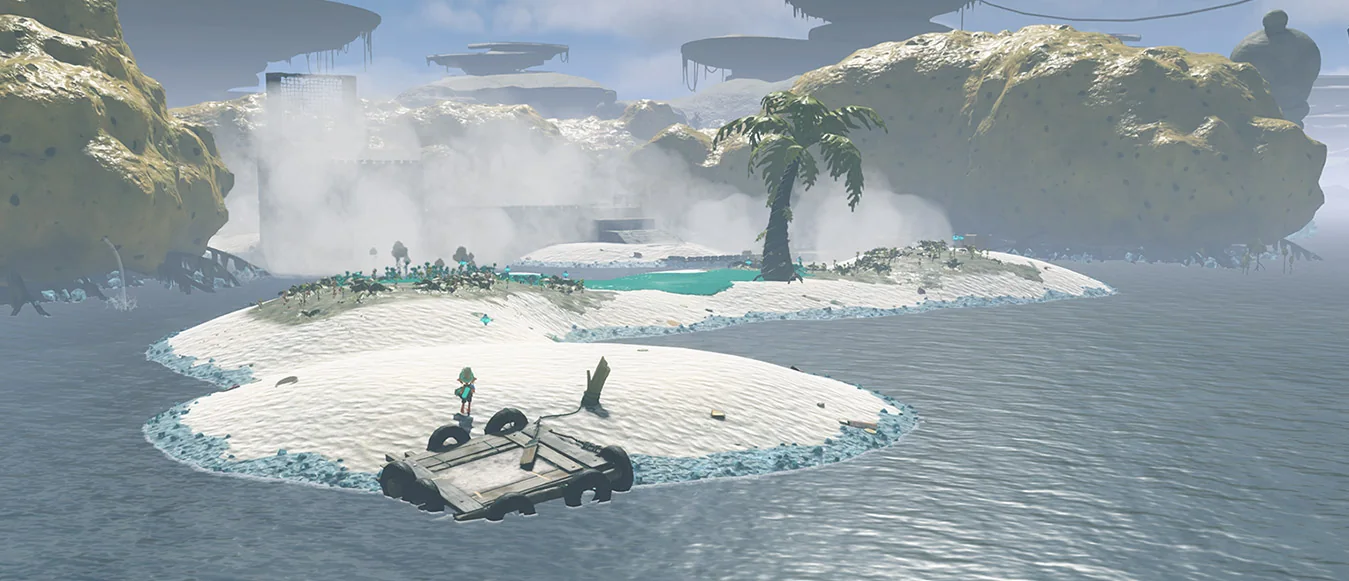
- The game's opening setup: Deep Cut and the Mechanic reach the mysterious Spirhalite Islands and crash.
- The comic's 30-day gap: the stranded crew establishes roles, makes shelter, and settles into an uneasy island routine.
- The main game: the Mechanic begins raiding the islands with help from a member of Deep Cut.
The DAY numbers count toward the game; they are not ordinary volume or chapter numbers. The first published entry was “Crash Landing,” and the daily structure lets small jokes accumulate into a relationship arc. For release, platform, and gameplay context, see the Splatoon Raiders game information guide.
The Mechanic: the quiet center of the crew
The Mechanic does not need long speeches to become the prequel's center of gravity. Their characterization comes through completed work: examining materials, drafting a solution, repairing what the group needs, and continuing while Deep Cut argues, rests, or performs. The comic makes competence their most stable trait.
DAY -22, “Job Title,” makes that identity explicit. Frye reacts to the newcomer’s handiwork, the group throws out increasingly grand labels, and they settle on “mechanic.” It is a comic joke, but it also defines the relationship. Deep Cut supplies the mission and noise; the Mechanic gives the stranded crew a way to act.
The following days turn the title into proof. When Shiver proposes a movable home base, the Mechanic produces a finished draft with startling speed. The group then builds the Hideout Ship together. Later strips return to knots, rafts, blueprints, and improvised music made from containers. Craft is not merely a profession here. It is how this mostly quiet protagonist participates in the group's life.
That does not make every visual pause a secret biography. The comic never needs to declare a canonical name or personality type. It gives players a broad but meaningful role: someone observant enough to solve immediate problems, patient enough to endure Deep Cut's chaos, and reliable enough for all three performers to depend upon.
Shiver: the planner learning to rely on the Mechanic
Shiver usually presents the most controlled face of the group. She is quick to turn their predicament into a plan, and “Evacuation Strategy” shows that instinct clearly. Her answer is a movable base—the Hideout Ship—and she immediately places the Mechanic at the center of making it possible.
The revealing beat is not that Shiver has an idea; it is that the Mechanic returns a workable draft almost instantly and catches her off guard. From then on, the comic can use tiny reactions rather than a speech about trust. She keeps proposing direction, but the plan now assumes that this new crew member can translate ambition into machinery.
Shiver's competitive style also survives the emergency. When Deep Cut reveals new island outfits, each member silently wants to have the best look. That recognizable vanity helps the prequel avoid flattening her into “the serious one.” She is strategic and composed, but still part of a trio that turns fashion, food, and rest into contests.
It is reasonable to read her growing comfort around the Mechanic as trust. It is not reasonable to label every surprised expression or close panel as a confirmed romance. The story supplies warmth and reliance while leaving the exact emotional reading open.
Frye: the energy and emotional pulse
Frye creates motion even when the group has nowhere to go. She calls breaks, turns tasks into events, praises the Mechanic's ability, and loudly works herself up over blueprints she cannot immediately use. In short strips, that explosive energy gives each mundane survival activity a punch line.
Her role is not only comic relief. DAY -3, “Quiet Night,” changes the volume. While the crew lies together on the Hideout Ship, Frye asks whether Shiver thinks they will make it home. Shiver has already fallen asleep, so Frye answers her own fear: she thinks they will. The Mechanic, apparently awake, sees the moment without interrupting it.
That scene works because the preceding days established Frye as the person most likely to fill silence. When she lowers her voice, the uncertainty lands. It also shows why calling her the group's emotional pulse is more useful than simply calling her cheerful: she externalizes both excitement and anxiety, giving the otherwise episodic countdown a human measure of how long they have been stranded.
Readers often interpret the Mechanic's quiet attention as intimacy, and the panel certainly supports a sense of closeness. It still does not define that closeness as romance. Friendship, trust, and shared vulnerability are all present without requiring a canon pairing.
Big Man: observer, helper, and warning system
Big Man's contribution is easy to underestimate because it is often quiet. He joins the Hideout Ship construction, attempts practical skills alongside Frye, and encourages the Mechanic. He is part of the labor rather than merely a mascot watching it happen.
The island also holds his attention in a different way. In “Feeling Artistic,” he studies unfamiliar plants and tries to express how the environment feels before falling asleep mid-thought. The joke is gentle, but it makes him the character most openly receptive to the place itself. Shiver asks what the group should do; the Mechanic asks how to build it; Big Man notices what surrounds them.
That attentiveness becomes plot pressure during the final days. In DAY -2, two Chums slip into the edge of the crew's makeshift music and dancing. Big Man notices something is wrong while the others keep the routine going. On DAY -1, he enjoys an ordinary morning until a nagging thought appears: have they forgotten something important?
Calling him a “warning system” is analysis, not an official job title. It captures his structural role, though. The prequel uses the gentlest member of the group to register the threat before the comedy fully gives way to the game's action.
How the 30-day prequel changes the group
The comic is more satisfying when read as four phases rather than 30 disconnected jokes. No official chapter headings divide it this way; the phases describe what the repeated tasks accomplish for the characters.
| Story phase | What happens | Character change |
|---|---|---|
| Crash and disorientation | The travelers confront being stranded and immediate shortages. | Deep Cut's employer/performer identity is no longer enough; the Mechanic's practical ability becomes essential. |
| Jobs and survival | The group names the Mechanic, drafts an evacuation strategy, and builds the Hideout Ship. | Four passengers become a crew with complementary roles. |
| Home and routine | Food, naps, clothing, fishing, art, music, and small failures fill the days. | Cooperation becomes familiarity; the island base starts to feel lived in. |
| Approaching threat | Private worry and Salmonid shadows enter otherwise ordinary moments. | The bonds created during survival become the foundation for raiding together. |
The group does not transform through one dramatic declaration. Change accumulates through work. Shiver learns that a plan can become real in the Mechanic's hands. Frye's constant energy gains room for doubt. Big Man's gentle attention becomes useful vigilance. The Mechanic shifts from hired specialist to someone present in the crew's private, unguarded routines.
Why the Hideout Ship matters
The Hideout Ship is the clearest physical record of that change. Shiver proposes it, the Mechanic designs it, and everyone helps assemble it. It answers the immediate survival problem, but its larger purpose is social: it creates one place where this mismatched group cooks, rests, plans, and waits together.
By the time Raiders begins, the ship can function as a game hub because the comic has already made it a home. Players see menus, progression, and preparation spaces; comic readers also see the labor and negotiation behind them. The location carries a month of character history before the first regular raid.
What DAY -3 to DAY -1 set up
The final three days narrow the distance between slice-of-life comedy and danger. Frye's question about getting home admits that the situation has never been completely safe. The Chums joining the improvised dance put a threat in the background while most of the cast remains unaware. Big Man's uneasy thought on the final morning leaves the routine deliberately unfinished.
That is the comic's handoff, not a failed ending. The countdown reaches the point where the game's combat premise can interrupt the life the crew built. Readers who want the much later resolution should use the clearly spoiler-marked Splatoon Raiders ending guide; the character prequel itself stops at the threshold.
Comic characters versus their gameplay roles
The comic and game use the same group for different jobs. Short strips can let all four share the frame and make personality the event. Raiders needs an active player character, repeatable combat, progression, and a companion system. The Mechanic therefore becomes the field raider, while one member of Deep Cut can accompany them through a powerful Bot Buddy.
That mechanical division does not erase the prequel's ensemble structure. It pays it off. A Deep Cut companion is more than an ability delivery system once the player has watched that character build, rest, worry, and joke beside the Mechanic. The comic supplies the familiarity that the gameplay format cannot build during every individual raid.
Likewise, the Mechanic's crafting and equipment work does not arrive from nowhere. The game expands the same identity established in “Job Title” and the Hideout Ship episodes. See the site's Splatoon Raiders wiki for character and system entries beyond this prequel-focused overview.
What the comic does not confirm
Small panels invite close reading, especially when a protagonist rarely speaks. A useful character guide should preserve that fun without turning an interpretation into official lore.
- No fixed personal name: official material identifies the protagonist by the working role “Mechanic.”
- No single player-independent appearance: Raiders supports character customization, so one promotional depiction should not erase the player's version.
- No confirmed romance: closeness, praise, embarrassment, and quiet observation can support fan readings, but the comic does not label a couple.
- No hidden personality diagnosis: silence is a storytelling device and space for the player, not proof of a specific condition or backstory.
- No complete island explanation: the prequel establishes daily life and an approaching threat; it leaves the game's larger discoveries to Raiders.
The evidence does support a strong relationship claim in a broader sense: Shiver, Frye, Big Man, and the Mechanic become a trusted working crew. That change is visible in what they build and in how comfortably they share ordinary time.
FAQ
Who is the main character of the Splatoon Raiders comic?
It is best described as an ensemble prequel about Shiver, Frye, Big Man, and the Mechanic. The Mechanic becomes the player's main viewpoint in the game, but the comic repeatedly gives all four characters a role in its jokes and survival story.
Is the Mechanic an Inkling or Octoling?
The game treats the Mechanic as a customizable player character, so the guide should not impose one universal configuration. Use the character's role as the stable identity and treat official artwork as a presentation of that customizable protagonist.
Is the comic canon to Splatoon Raiders?
Nintendo calls it an official daily Splatoon comic and explicitly describes it as the story leading up to Splatoon Raiders. That makes it official prequel material for understanding the game's setup, without requiring a larger theory about every piece of franchise canon.
Does the comic include other Splatoon idols?
The central island story focuses on Deep Cut and the Mechanic, not on assembling the wider idol cast. Its purpose is to develop this stranded four-person crew before Raiders.
Do you need the comic to understand the game?
No. Raiders explains its playable premise. The comic is valuable because it adds the missing month of small decisions, shared work, and emotional context. Read it for a warmer understanding of why these characters function as a team, not because the game requires homework.

Loading comments...